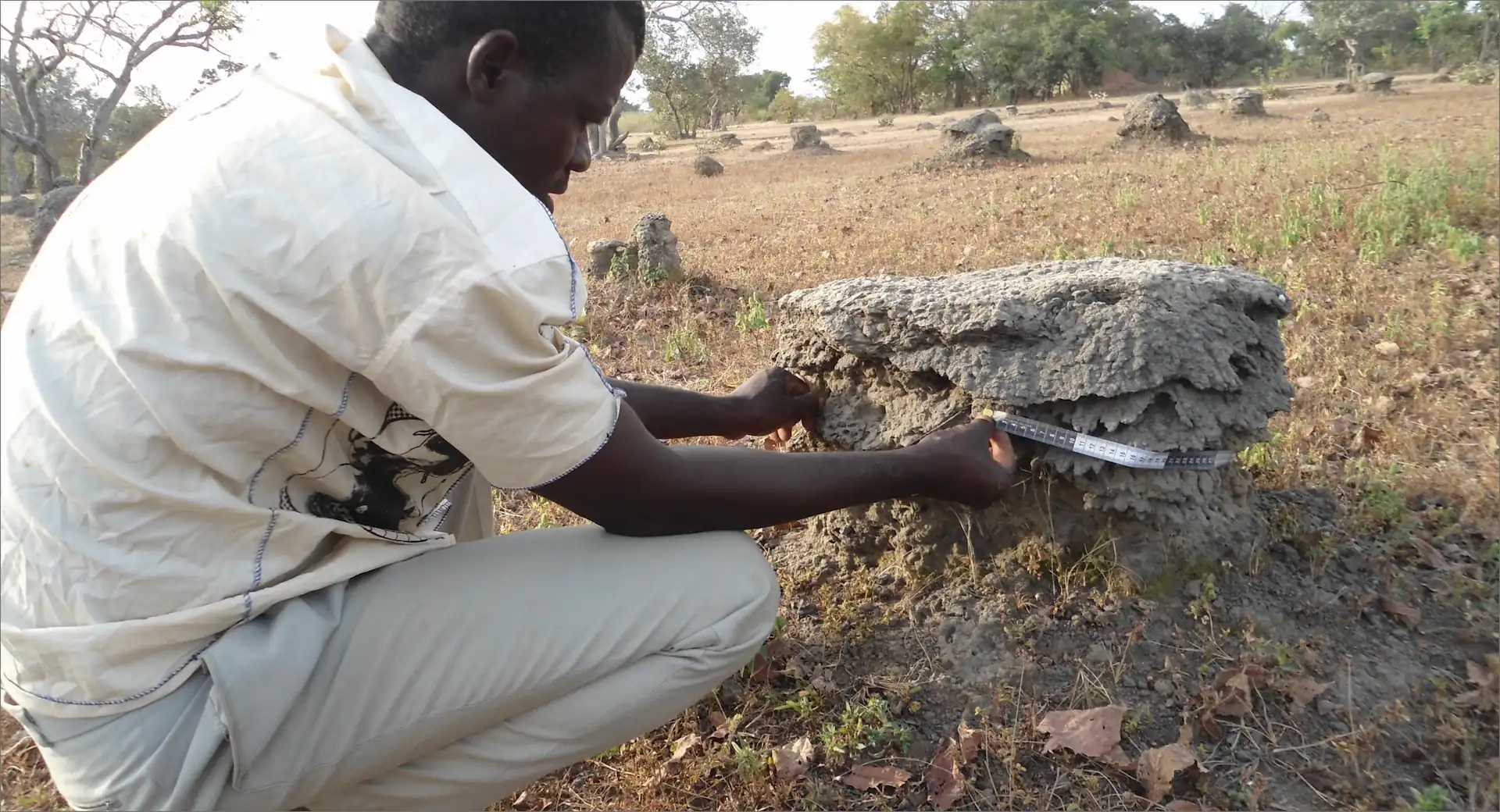
A person standing in a field with termite mounds
 

Innovation Programme

Supporting tests of novel ecological restoration methods through active restoration trials

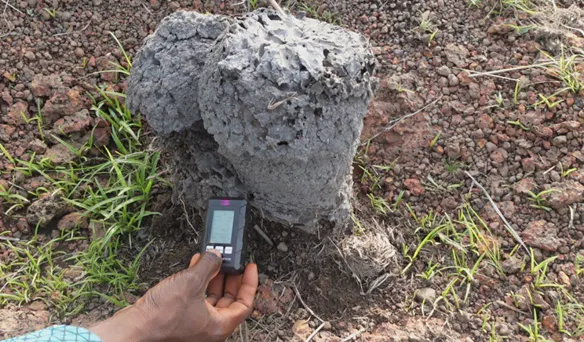
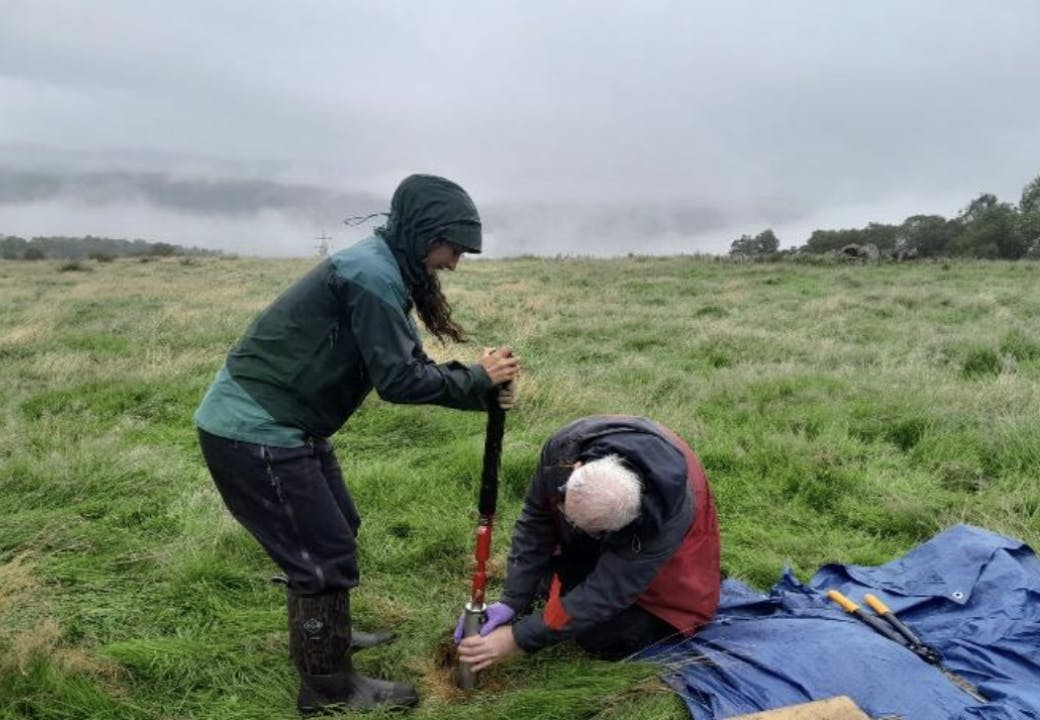
We have been excited about innovation since the early days of Mossy Earth. This is what led us to invest in projects such as the kelp restoration trials using green gravel or the experimental trials in Benin that test the use of termites to reverse desertification. We created this fund to provide more opportunities for testing novel restoration techniques to improve the impact and cost effectiveness of restoration projects around the world.

Projects

Mycoforestry

IN PROGRESS

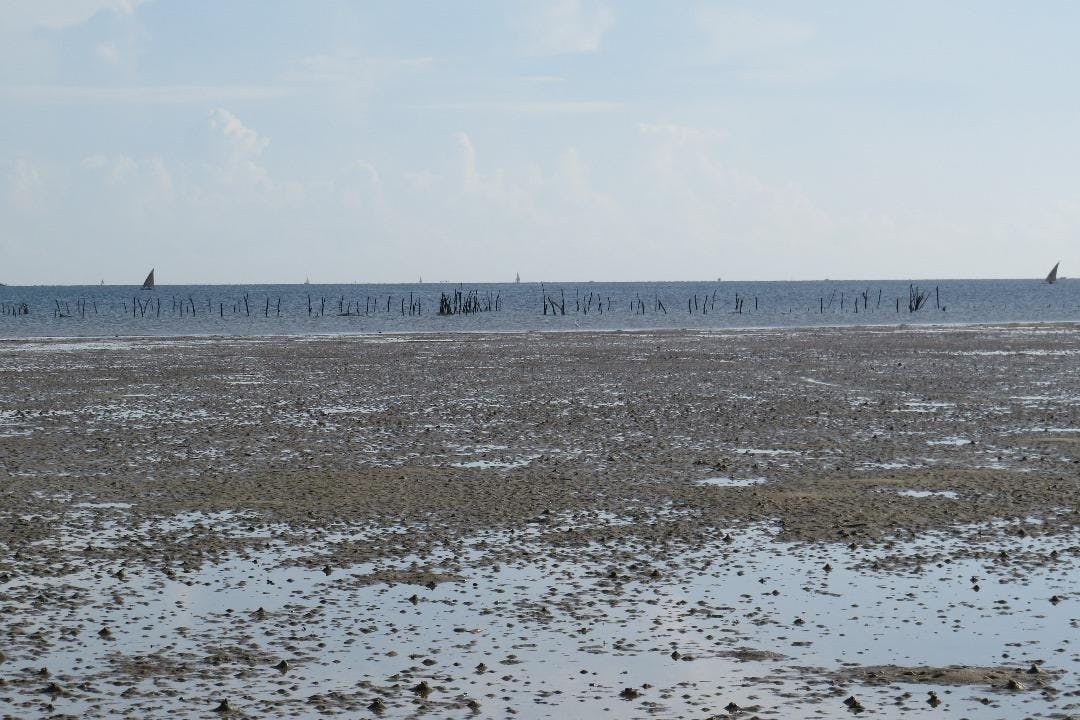
Seagrass Restoration Tanzania

IN PROGRESS

Freshwater Mycoremediation

IN PROGRESS

Mycorrhizal and Biochar-Based Reforestation

IN PROGRESS
Innovation programme grant

The Grant

This programme aims to drive innovation and enhance the cost-effectiveness of nature restoration by funding rigorous experimental trials of alternative ecological interventions. We believe methodical experimentation is both vital and underfunded so we are seeking to address this gap by offering small grants and guidance. The knowledge generated will be made easily and freely available online following open access and reproducible research principles. For the first grant cycle we have allocated a total of £60,000 of funding to the following project ideas

Latest application call

Project Updates

October

2025

Freshwater Mycoremediation

Freshwater Mycoremediation: Field Update

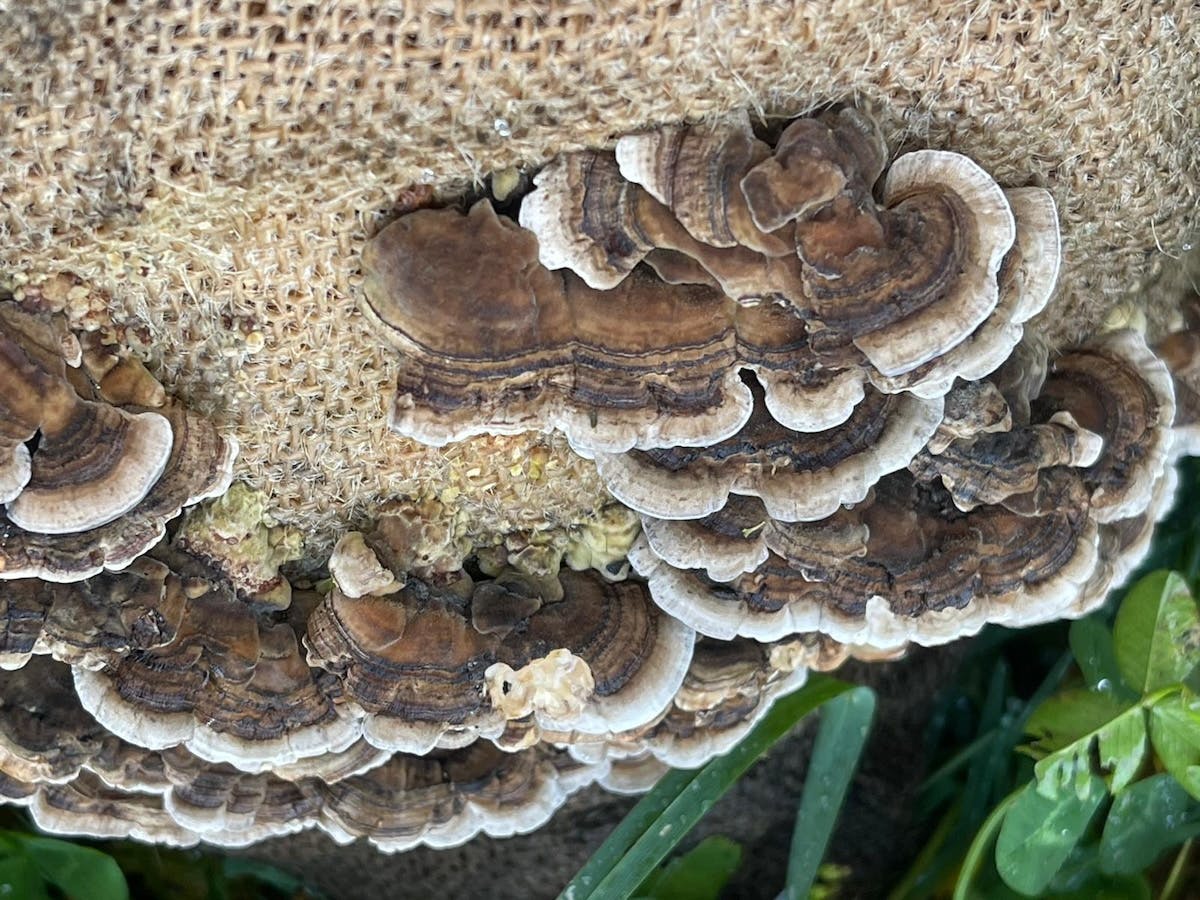
Over the past quarter, the team at Flete Field Lab has made steady progress despite a few early technical hurdles. After some initial issues with unusable fungal grain spawn, they successfully sourced new fungal liquid cultures from suppliers Rhizocore. They then inoculated the mycofiltration sacks or ‘mycofilters’ and installed the first trial dams, including a biochar leaky dam as an additional feature to the trial. Alongside fieldwork, the team has also begun drafting the project’s written components, including methodology and a literature review, and completed the first five rounds of water testing.

Challenges and Adjustments

Since inoculation, the Hypholoma fasciculare (Sulphur Tuft) mycofilters have been slower to colonise and have faced contamination from Trichoderma, a naturally occurring but competing fungus. To give them the best chance to recover, the installation of this mycofiltration dam has been delayed, with the possibility that they may not be included if they fail to establish fully.

Heavy rainfall earlier in the season also washed away the first trial site, so the experiment has been relocated slightly downstream on the same tributary, keeping within the local ecological context while ensuring more stable conditions. Additionally, we added a biochar leaky dam, initially as a safeguard, which has turned out to be a standout performer in early testing.
Early Findings

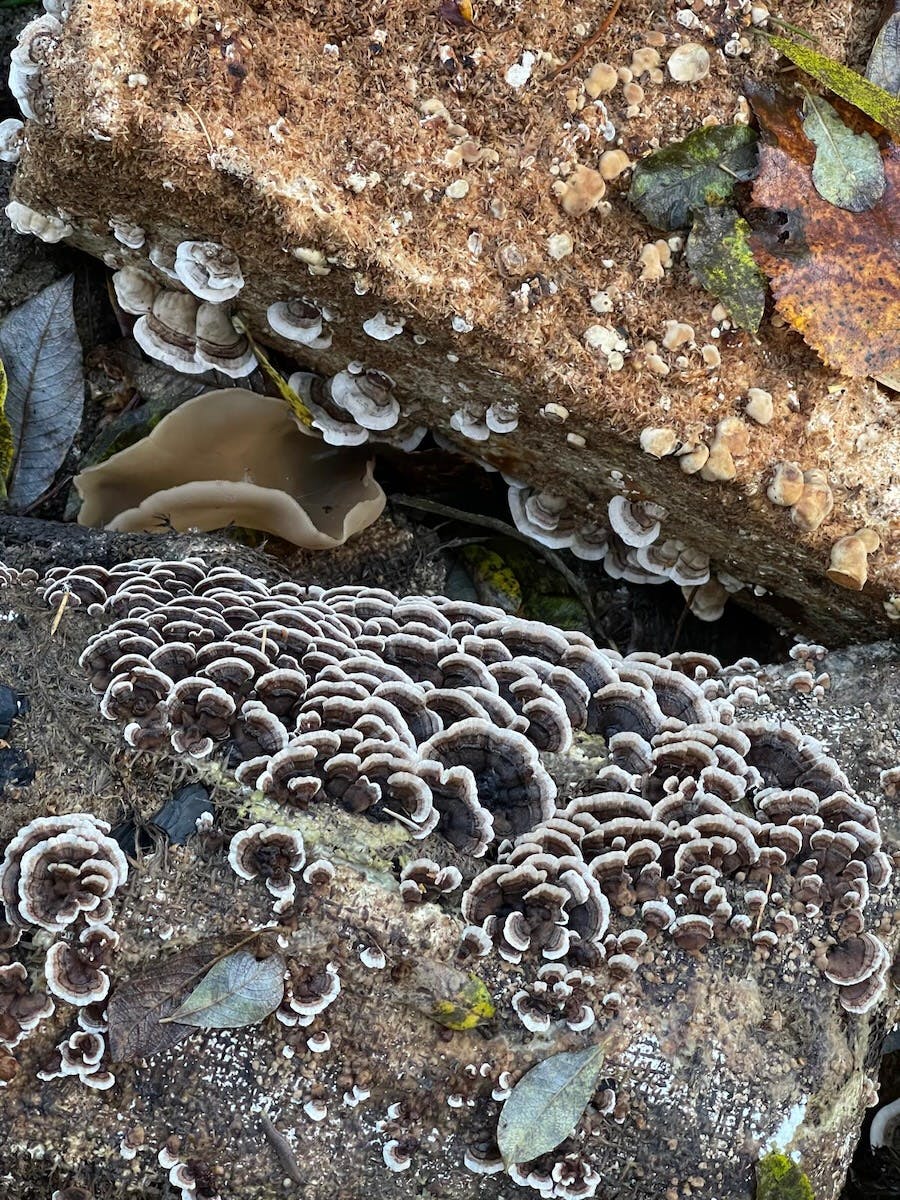
Across the first ten tests, the biochar dam has performed exceptionally well, significantly reducing levels of nitrates, phosphates, and E. coli. The Trametes versicolor (Turkey Tail) is still settling into its new environment but has already begun to show nitrate reduction activity as the fungus acclimatises and grows.

Futur Focus

With the trial now in place and early data looking promising, the next stage will focus on continued sampling, monitoring fungal performance, and refining our understanding of how these living filters can help improve water quality via a scientific study.

November

2025

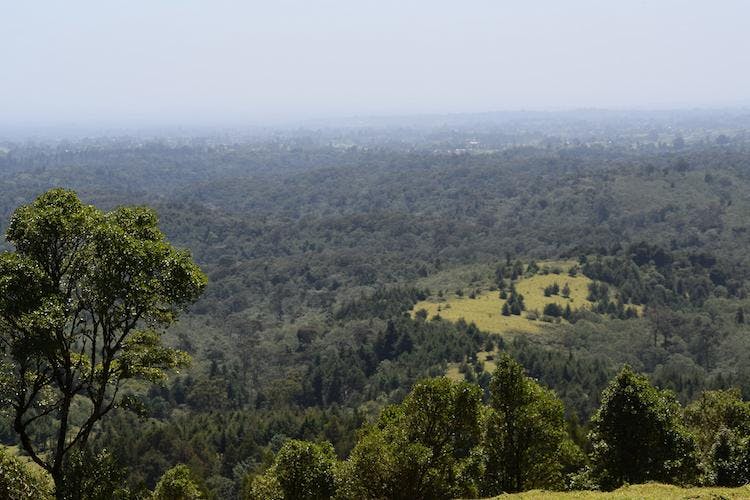
drone shot of Kereita Forest

Mycorrhizal and Biochar-Based Reforestation: Field Update

During the third quarter of 2025, KENVO made steady progress across key project phases in Kereita Forest. From July through August, the team focused on site preparation and biochar production to enhance soil health and support future planting. In September, they applied mycorrhizal inoculum, completed sapling planting, and conducted baseline measurements to establish reference data for ongoing monitoring.

Early results

The team's first observations are encouraging. Biochar application has improved soil structure and moisture retention, while the inoculum appears to be supporting strong root development and early establishment. Baseline assessments revealed variation in soil conditions across plots, providing valuable insights for evaluating intervention effectiveness. Sapling survival rates are healthy, and clearer trends are expected as monitoring continues.

Challenges

The team also addressed several on-the-ground challenges. Limited site access made transporting materials and saplings difficult, but collaboration with the local community helped identify alternative routes and solutions. The team also swapped two of the initially selected tree species to include one wood species and a fruit tree species, tree tomato (Solanum betaceum,). This adjustment came directly from community feedback and supports a more sustainable, livelihood-linked restoration approach. Rapid weed growth posed additional ecological challenges, managed through regular manual weeding and mulching to suppress regrowth and conserve moisture. These experiences underscored the importance of adaptability and community engagement in ensuring project success.

Future Focus

In the coming quarter, efforts will focus on supporting sapling establishment during the anticipated November–December rains, which are expected to significantly boost survival and early growth. Preparations are also underway for the first round of monitoring and data collection in December 2025, which will provide the initial insights into sapling performance under different interventions.

Why Is This Important?

Investment Gap

There is a huge gap between current investment into nature restoration and what is needed to halt the decline of biodiversity and the degradation of our ecosystems (a gap of 700$ billion per year until 2030 is one estimate). Most of our work focuses on tackling this head on through targeted and cost effective ecological interventions but our efforts are just a drop in the ocean of what is needed. Innovation has the potential to reduce this gap. Even small improvements in the success rate or cost-effectiveness of an intervention can have a huge pay-off for nature if applied at a large scale by multiple organisations.

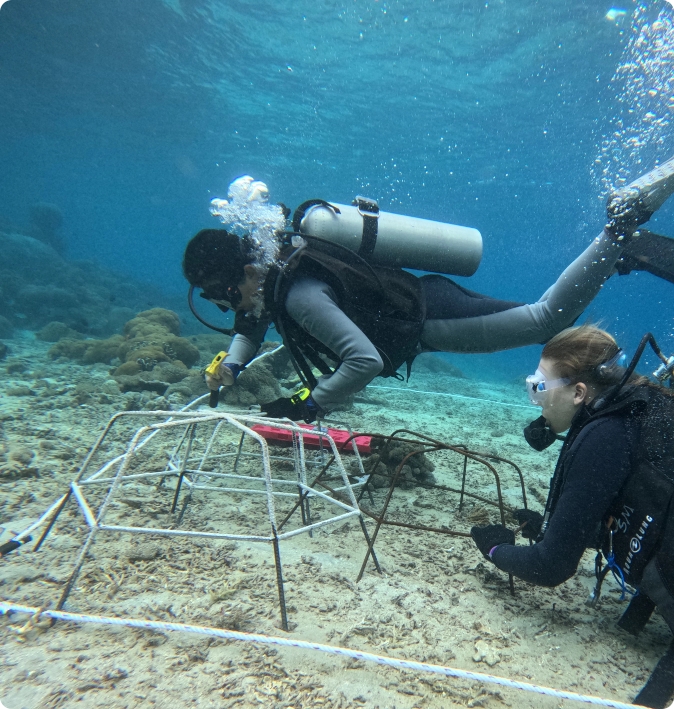
Running experiements on our coral project

Trial and Error

The kind of gradual trial and error that we wish to promote is also something that ends up being neglected both by academic institutions and by conservation organisations. There are research questions that could have important practical implications if addressed but that would hardly represent the kind of scientific breakthrough that pushes an academic career forward. On the flip side, practitioners are pressured by many funders to focus on actions that deliver measurable results and, with limited training in statistics and experimental design, practitioners often lack the resources they would need to tackle these same questions.

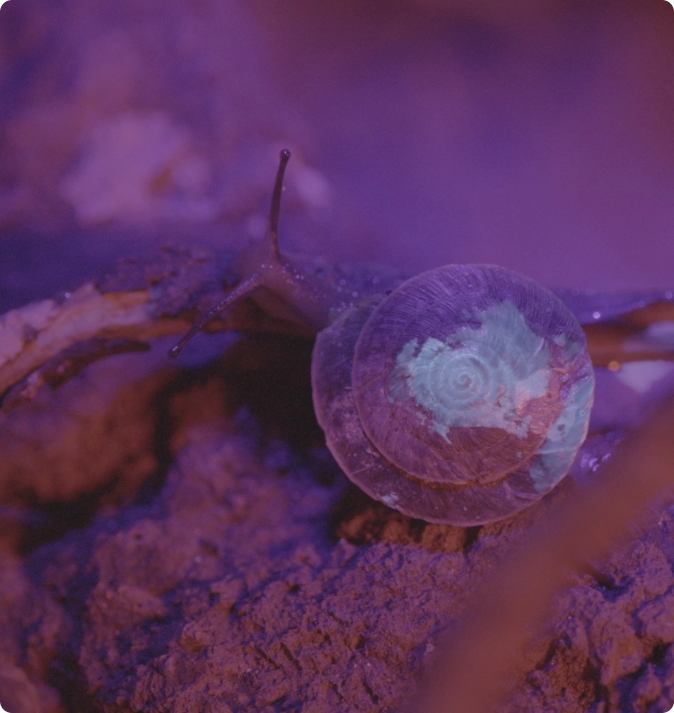
A snail marked under UV light for tracking released snails

Contact Us

If you have any questions about the innovation programme please contact us at innovation@mossy.earth